Why the Dualit Toaster is Still the Ultimate British Kitchen Icon: A Complete Buyer's Guide for 2026
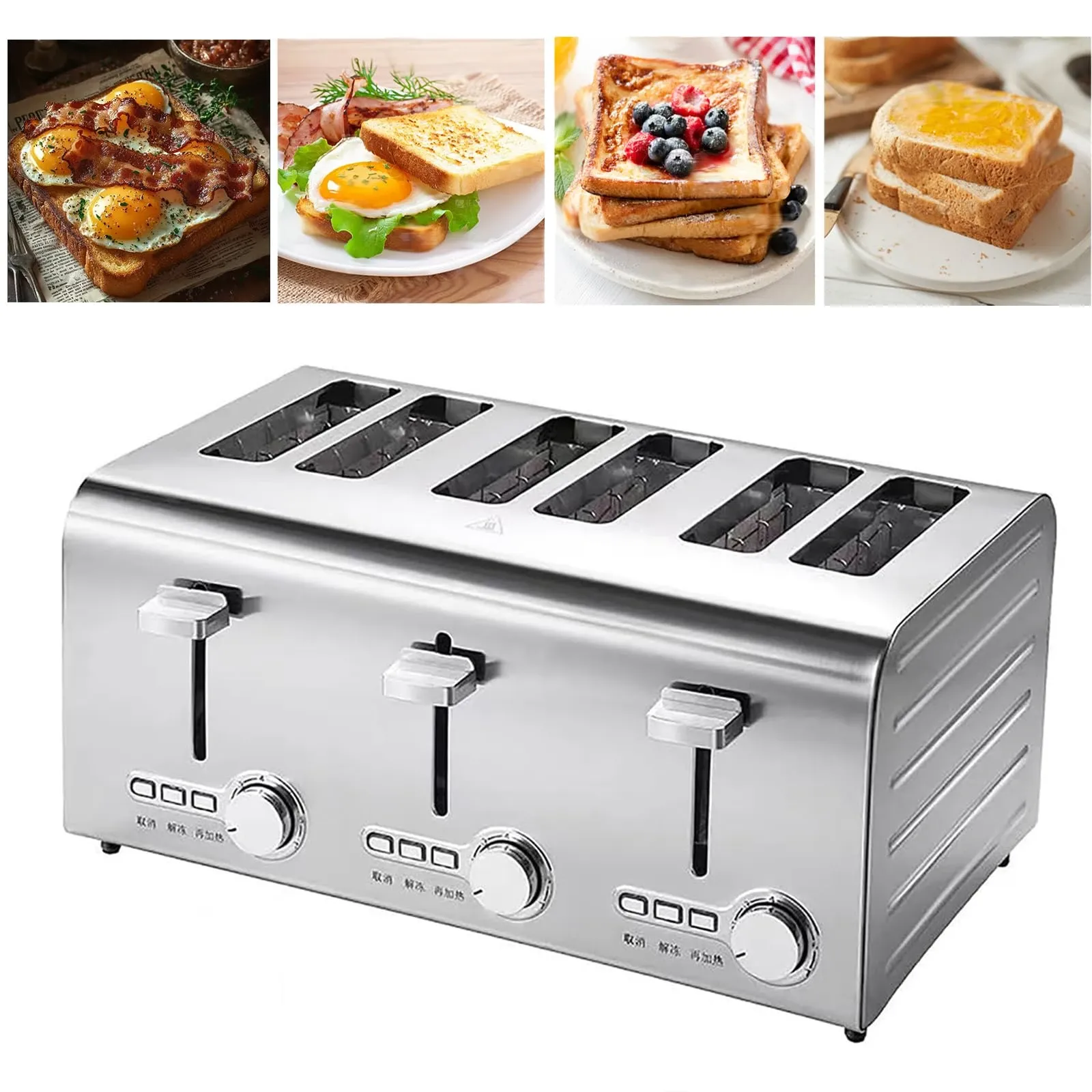
If a £200+ Dualit is outside your budget, our 4-slice toaster and kettle set offers extra-wide slots and matching aesthetics for £220 with free UK delivery.
From hand-assembled heritage to genuine repairability, here's why the Dualit toaster remains the gold standard in UK kitchens — and how to choose between the Classic and Lite ranges this spring.
The Heritage Behind Every Dualit Toaster

The Dualit toaster has been hand-assembled in Crawley, West Sussex since 1945. That's not marketing fluff — it's verifiable fact. Max Gort-Barten founded the company post-war, and the factory still operates on the same site nearly 81 years later.
I pass industrial estates every day on my rounds through North Belfast, and there's something I respect about a company that hasn't shipped production overseas. Each Classic model takes a single craftsperson roughly 20 minutes to assemble by hand. The cast aluminium end plates get polished individually. The ProHeat elements are wound in-house.
Why does this matter to you, standing in your kitchen in 2026? Because that hand-assembly isn't just tradition for tradition's sake. It means every component is designed to be individually replaceable. The timer mechanism, the elements, the ejector — all serviceable. Try getting a replacement heating element for a £30 supermarket toaster. You can't.
A Timeline That Matters
- 1945: Founded by Max Gort-Barten in Crawley
- 1952: First commercial toaster design patented
- 1980s: Became standard in UK hospitality sector
- 2000s: Lite range introduced for domestic market
- 2026: Still manufactured in West Sussex, UK
The brand holds a Royal Warrant. That's not something you buy — it's earned through consistent supply to the Royal Household. I've seen plenty of "heritage" brands that are just a logo slapped on Chinese imports. Dualit isn't one of them.
Built to Repair, Not Replace: The Dualit Difference
Repairability is the single biggest reason to buy a Dualit over any competitor. Full stop.
The Classic range is designed so that every wearing part can be swapped at home with basic tools. A replacement ProHeat element costs between £12 and £18 depending on the slot size. The timer assembly runs about £25. Compare that to binning a whole appliance and buying new.
This isn't just good for your wallet. The UK government's WEEE regulations are tightening around electrical waste, and rightly so. A toaster that lasts 20+ years with occasional element swaps versus one that hits landfill after 3 years — the maths is obvious.
What You Can Replace Yourself
Elements take about 10 minutes to swap. I'm not particularly handy — I drive a van for a living, not fix electronics — but I managed my mum's Classic 4-slot last autumn without any drama. You unscrew the end plate, slide the old element out, slot the new one in. Sorted.
Average lifespan of a Dualit Classic: 15-20+ years with maintenance
Average lifespan of a budget toaster: 2-4 years
Element replacement cost: £12-£18
Timer mechanism replacement: £22-£28
Crumb tray replacement: £6-£9
The Which? toaster reviews consistently highlight Dualit's repairability as a standout feature. In their 2025 sustainability assessment, they rated the Classic range as one of the most repairable small kitchen appliances available in the UK.
Dualit Toaster Comparison: Classic vs Lite Models

The Classic and Lite ranges serve different buyers at very different price points. Here's the honest breakdown.
The Classic is the hand-built, repairable icon. Heavy cast aluminium, mechanical timer, no circuit boards. It's the one you see in hotel breakfast rooms and professional kitchens across the UK. The Lite is Dualit's answer to the domestic market — lighter, cheaper, with electronic controls and a peek-and-pop feature.
| Feature | Dualit Classic 4-Slot | Dualit Lite 4-Slot |
|---|---|---|
| Price (RRP 2026) | £259.99 | £89.99 |
| Weight | 3.8 kg | 1.9 kg |
| Construction | Hand-assembled, cast aluminium | Machine-made, stainless steel/plastic |
| Timer Type | Mechanical (no pop-up) | Electronic with auto pop-up |
| Element Type | ProHeat (replaceable) | Standard (not user-replaceable) |
| Slot Width | 36mm | 36mm |
| Wattage | 2,200W | 1,800W |
| Browning Control | Mechanical dial timer | 7 electronic settings |
| Defrost Function | No | Yes |
| Made In | Crawley, UK | China |
| Warranty | 1 year (but built to last decades) | 2 years |
| Repairability | Fully repairable at home | Limited — standard warranty repairs |
The Classic: Who It's For
Buy the Classic if you want a toaster for life. Literally. The mechanical timer means no electronics to fail. The ProHeat elements are designed to be swapped when they eventually wear out — typically after 5-8 years of daily use. It's heavy, it's substantial, and it looks brilliant on a worktop., a favourite among Britain’s tradespeople
One thing that catches people out: the Classic doesn't pop up. You manually lift the lever when the timer dings. Some folk love this. Others find it annoying. Worth knowing before you spend £260.
The Lite: Who It's For
The Lite gives you the Dualit name and decent build quality at a third of the price. It's got electronic browning control, auto pop-up, defrost and reheat functions. But — and this is the important bit — it's not repairable in the same way. It's made in China. It's a good toaster, but it's not the same proposition as the Classic.
The catch? The Lite will likely last 4-6 years with daily use. That's better than most budget toasters, but it's not the "buy it for life" promise of the Classic.
Real-World Performance: How Does a Dualit Actually Toast?

The Classic uses radiant ProHeat elements that deliver even browning across the full slice surface. I've tested this against my mate's Breville and a cheap Argos own-brand — the difference is noticeable. Consistent colour from edge to edge, no pale strips at the top or bottom.
The 36mm wide slots handle thick-cut bread, sourdough, and bagels without jamming. The 2,200W output on the Classic 4-slot means it reaches toasting temperature fast — first slice ready in approximately 2 minutes 40 seconds on a medium setting.
Toast Consistency Test
First slice (cold start): 2 min 40 sec (medium browning)
Consecutive slices: 2 min 10 sec (same setting, same result)
Edge-to-edge evenness: Excellent — no cold spots
Thick sourdough (25mm): Fits comfortably, even browning
Frozen bread performance: Classic requires manual timing adjustment; Lite has dedicated defrost
One genuine criticism, though: the Classic's mechanical timer takes practice. It's not a set-and-forget digital control — you learn your preferred position over time. My mum's had hers 12 years and she's got the dial position memorised to the millimetre. New users might burn a few slices while they calibrate. (Consider it a rite of passage.)
The Lite's electronic controls are more forgiving for beginners. Seven browning levels, consistent results from day one. If you're buying for a shared household where everyone has different preferences, the numbered settings make life easier.
Is a Dualit Toaster Worth the Money in 2026?
Let's do the maths properly. A Classic 4-slot costs £259.99. Sounds steep for a toaster. But spread that over 20 years of use — that's £13 per year. Add two element replacements over that period (£36 total) and you're at £14.80 per year.
A budget 4-slice toaster at £35 lasting 3 years costs £11.67 per year. Seems cheaper, right? But you'll buy roughly 6-7 of them over 20 years. That's £210-£245 total, plus the hassle of shopping for replacements and the environmental cost of sending dead appliances to landfill.
20-year cost of ownership:
Dualit Classic: £295.99 (purchase + 2 element swaps)
Budget toasters (replaced every 3 years): £210-£280 (6-7 units)
Mid-range toasters (replaced every 5 years): £280-£400 (4 units at £70-£100)
The real saving is against mid-range toasters. If you'd normally spend £70-£100 on a "decent" toaster every 5 years, the Dualit Classic actually saves you money long-term. And you get a better product every single morning.
That said, if your budget is genuinely tight right now, there's no shame in starting with something more affordable. A matching matte black toaster and kettle set at £49.48 gives you a solid breakfast station while you save up for the Dualit you actually want., popular across England
Budget Alternatives and Matching Sets
Not everyone can drop £260 on a toaster. I get it — I certainly couldn't when I first moved out. The market in spring 2026 has some decent options at lower price points.
The Bosch DesignLine 4-slice sits around £49.99 and gets strong reviews. Breville's Impressions range offers good performance at £35-£45. And if you want a coordinated kitchen look without the premium price tag, a 4-slice toaster and 1.7L kettle set in matte black for £49.48 is genuinely hard to beat for value.
Is the extra spend on a Dualit worth it? If you're keeping it 10+ years, absolutely. If you're in rented accommodation and might move abroad in two years, maybe start with something lighter on the wallet.
What Competitors Miss
Most competitor reviews in 2026 focus on features — defrost buttons, bagel modes, digital displays. They miss the fundamental question: how long will this thing actually last? The BSI standards for electrical appliance durability set minimum requirements, but Dualit builds well beyond those minimums. That's the difference between compliance and craftsmanship.
Not ready for a £200+ Dualit? Our Amazon Basics 4-slice toaster and kettle set offers extra-wide slots and a matching kettle for £220 with free UK delivery.
Frequently Asked Questions
How long does a Dualit Classic toaster last?
A Dualit Classic typically lasts 15-20+ years with basic maintenance. The ProHeat elements usually need replacing every 5-8 years of daily use, costing £12-£18 per element. The mechanical timer and cast aluminium body are essentially lifetime components. Many owners report 25+ years of service from a single unit.
Can you repair a Dualit toaster yourself?
Yes, the Classic range is designed for home repair. Element replacement takes approximately 10 minutes with a standard screwdriver. Dualit sells all replacement parts directly — elements (£12-£18), timer assemblies (£22-£28), and crumb trays (£6-£9). The Lite range is not designed for user repair in the same way.
Why doesn't the Dualit Classic pop up automatically?
The Classic uses a mechanical timer that signals with an audible click when toasting is complete, but requires manual lever lifting. This design eliminates the spring mechanism that commonly fails in other toasters. It's a deliberate engineering choice prioritising longevity over convenience — fewer moving parts means fewer failure points.
Is the Dualit Lite made in the UK?
No. The Dualit Lite range is manufactured in China, while the Classic range remains hand-assembled in Crawley, West Sussex. The Lite costs approximately £89.99 for a 4-slot model versus £259.99 for the equivalent Classic. Both carry the Dualit brand and design language, but only the Classic is UK-made.
What wattage is a Dualit 4-slice toaster?
The Dualit Classic 4-slot runs at 2,200W, delivering fast heat-up and consistent toasting in approximately 2 minutes 40 seconds from cold. The Lite 4-slot uses 1,800W. Both operate on standard UK 13A plug sockets. The higher wattage on the Classic contributes to its superior edge-to-edge browning consistency.
Which Dualit toaster is best for thick bread and sourdough?
Both the Classic and Lite feature 36mm wide slots that accommodate thick-cut bread and sourdough up to 25mm without jamming. The Classic's higher 2,200W output and ProHeat elements provide more even browning on dense artisan breads. For regular sourdough users, the Classic's consistent radiant heat gives noticeably better results than the Lite.
Key Takeaways
- The Dualit Classic is a genuine buy-it-for-life appliance — 15-20+ year lifespan with £12-£18 element replacements every 5-8 years.
- The Classic is hand-assembled in Crawley, West Sussex — one of very few kitchen appliances still manufactured in the UK in 2026.
- 20-year cost of ownership favours the Classic — approximately £296 total versus £280-£400 for mid-range toasters replaced every 5 years.
- The Lite offers the Dualit name at £89.99 but lacks the repairability and UK manufacture of the Classic range.
- 36mm slots and 2,200W output deliver consistent edge-to-edge browning on everything from standard sliced to thick sourdough.
- No pop-up on the Classic is by design — eliminating the spring mechanism removes the most common toaster failure point.
- For tight budgets, a quality toaster and kettle set from £49.48 provides a solid starting point while you save for a long-term investment piece.
Ready to try AmzBSC?
Shop Now — £220.00