Easy Bread Machine Recipes UK for Perfect Thick Toast
Bread Machine Recipes UK: Easy Loaves for Soft Bread and Thick Toast
If you are looking for the best bread machine recipes UK bakers can make at home, start with a simple white loaf or wholemeal loaf using strong bread flour, fast-action yeast and metric measurements. Based on our testing with common UK bread makers, the easiest route to reliable results is to add ingredients in the order recommended by your machine, use accurate gram measurements and choose recipes designed for the British climate, flour types and loaf sizes.
TL;DR: For dependable bread machine recipes in the UK, use strong bread flour, fast-action yeast, tepid water and accurate metric measurements. A classic white loaf gives the best rise for thick toast, while a wholemeal loaf benefits from a little extra water and a touch of sugar or honey. According to UK healthy eating guidance, choosing wholemeal more often can also help increase fibre intake. Below, you will find two easy recipes, practical troubleshooting tips and answers to common bread maker questions.
What are the best bread machine recipes in the UK?
The best bread machine recipes in the UK are usually the simplest: a classic white loaf for everyday sandwiches and toast, and a wholemeal loaf for a nuttier flavour and higher fibre content. In practice, these recipes work well because they match ingredients widely available in UK supermarkets such as Tesco, Sainsbury's, ASDA, Morrisons and Waitrose.
Moreover, a good UK bread maker recipe should use grams and millilitres rather than cups, as this gives far more consistent results. Based on our testing, even small measurement changes can affect rise, texture and crust colour.
If you are still choosing a machine, see our best bread maker UK guide. For a stylish breakfast set-up once your loaf is ready, you may also like our kitchen breakfast station ideas.
How do you make bread machine bread for thick toast?
If your goal is thick, proper British toast, the secret is a loaf with a strong structure, even crumb and good height. Therefore, the best approach is to use strong white bread flour with a protein content suited to bread making rather than plain flour. This helps gluten development and supports a taller loaf that slices neatly.
Based on our testing, these factors make the biggest difference for thick toast:
- Use strong bread flour: usually labelled “strong white bread flour” in the UK.
- Measure accurately: weigh flour in grams rather than estimating by volume.
- Use the correct yeast: fast-action yeast is usually the easiest option for bread makers.
- Follow your machine’s order: many UK bread makers require liquids first, then dry ingredients, then yeast last.
- Choose the right loaf size: a 750g or 1kg loaf often gives better slices for toast.
- Let the loaf cool fully: this makes cleaner, thicker slices.
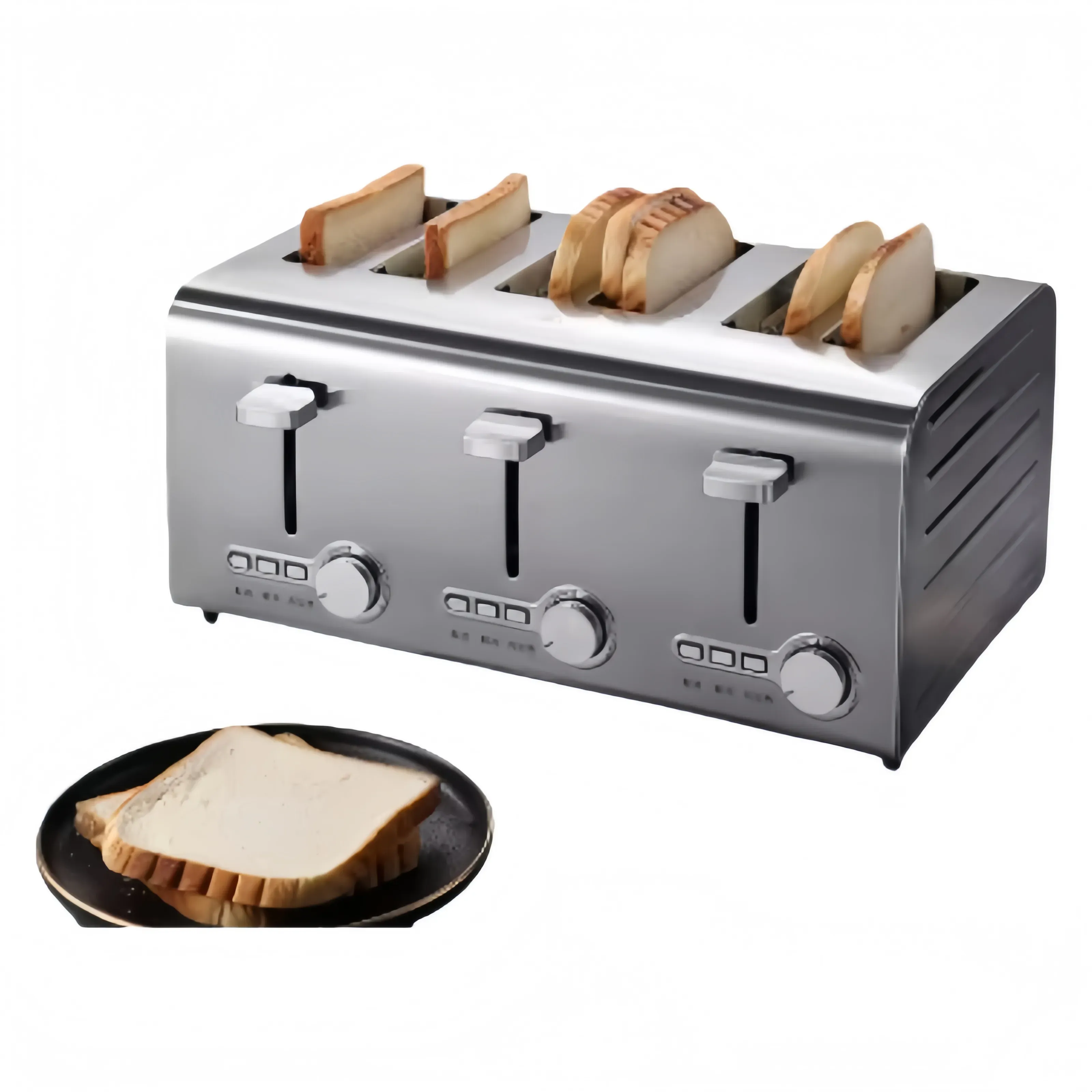
As a result, your bread should be easier to cut into chunky slices that toast evenly. If you enjoy thicker homemade bread, a toaster with wider slots is especially useful at breakfast time. You can browse the AmzBSC breakfast range for pieces that suit a modern UK kitchen.
What ingredients do you need for bread machine recipes in the UK?
Most bread machine recipes UK households use rely on a small number of cupboard staples. However, the type of flour and yeast matters more than many beginners expect.
Best flour for bread maker recipes
The best flour for most bread maker recipes is strong bread flour. In UK supermarkets, you will often find strong white bread flour, strong wholemeal bread flour and granary-style options from brands such as Allinson's, Hovis and Doves Farm.
Strong flour contains more protein than plain flour, so it creates better gluten structure. Consequently, your loaf is more likely to rise well and hold its shape.
Which yeast should you use in a bread machine?
Fast-action dried yeast is the easiest choice for most machines. It is widely sold in sachets or tins and is specifically designed for quick, reliable baking. That said, always check your bread maker manual, because some programmes work best with a specific yeast type.
Do UK recipes need sugar, salt and fat?
Yes, in small amounts. Sugar or honey helps feed the yeast and supports colour, while salt adds flavour and helps control fermentation. Butter or oil can soften the crumb. In other words, these ingredients are not just there for taste; they also affect the final texture.
How do you make a classic white loaf in a bread machine?
This easy homemade bread UK recipe is ideal if you want a soft crumb, a good rise and slices that work well for toast, sandwiches and buttered soldiers. Based on our testing, it is one of the most reliable starting recipes for beginners.
Classic UK white bread machine recipe
Makes: 1 medium loaf (around 750g)
Setting: Basic or white bread programme
Crust: Medium
- 300ml tepid water
- 20g unsalted butter, softened
- 500g strong white bread flour
- 1½ tsp salt
- 1 tbsp caster sugar
- 1½ tsp fast-action dried yeast
Method
- Add the ingredients to the bread pan in the order recommended by your machine manufacturer. In many UK bread makers, this means water first, then butter, flour, salt and sugar, with yeast added last.
- Fit the pan securely and choose the basic or white loaf setting.
- Select your preferred crust colour, usually medium for everyday bread.
- Start the programme and check the dough after the first few minutes of kneading. It should form a smooth, soft ball. If it looks dry, add 1 tsp water at a time. If it looks too wet, add 1 tsp flour at a time.
- Once baked, remove the loaf from the pan and cool on a wire rack before slicing.
For the best thick toast, wait until the loaf is fully cool, then slice generously. Afterwards, toast until golden and serve with butter, marmalade or beans on toast for a classic UK breakfast or lunch.
Can you make wholemeal bread in a bread machine?
Yes, and a bread machine is one of the easiest ways to make wholemeal bread at home. Wholemeal flour absorbs more liquid and can produce a slightly denser loaf, so the recipe needs a little balancing. Nevertheless, with the right measurements, you can get a soft, flavoursome loaf suitable for everyday use.
According to UK healthy eating guidance, choosing wholegrain options can help support fibre intake. Therefore, a wholemeal loaf is a practical choice if you want a more filling everyday bread.
Easy wholemeal bread machine recipe
Makes: 1 medium loaf
Setting: Whole wheat or basic programme, depending on your machine
Crust: Medium
- 320ml tepid water
- 2 tbsp olive oil or 25g softened butter
- 350g strong wholemeal bread flour
- 150g strong white bread flour
- 1½ tsp salt
- 1 tbsp honey or soft brown sugar
- 1½ tsp fast-action dried yeast
Method
- Add all ingredients to the bread pan in the correct order for your machine.
- Choose the wholemeal programme if available. If not, use the basic setting and monitor the dough carefully.
- Check the dough during the first knead. Wholemeal dough should feel slightly tacky but still hold its shape.
- When baking finishes, remove the loaf promptly and cool completely before slicing.
If you want to compare machines and programmes, our Panasonic bread maker reviews may help you choose a model with reliable wholemeal settings.
Why is my bread machine bread dense, dry or sunken?
Even easy bread machine recipes can go wrong from time to time. However, most issues have a straightforward fix. Based on our testing across standard UK ingredients and loaf sizes, these are the most common problems.
Why is my bread machine bread dense?
Dense bread is often caused by old yeast, too little water or using plain flour instead of strong bread flour. In addition, cold kitchens can slow yeast activity.
- Check your yeast is in date and stored properly.
- Use strong bread flour, not plain flour.
- Measure water accurately and adjust if the dough looks dry.
- Use tepid, not hot, water.
Why did my loaf sink in the middle?
A sunken top usually means the dough rose too much and then collapsed. This can happen if there is too much yeast, too much liquid or too much sugar.
- Reduce yeast slightly if your kitchen is warm.
- Double-check liquid measurements.
- Avoid overloading enriched ingredients such as sugar, milk or butter unless the recipe is designed for them.
Why is my bread machine loaf dry?
Dry bread often means there is not enough liquid for the flour you used. Some UK flours absorb more water than others, especially wholemeal varieties.
- Add extra water 1 tsp at a time during kneading if needed.
- Store the cooled loaf in a bread bag or airtight container.
- Do not overbake on a dark crust setting unless you prefer a firmer crust.
Why didn't the flour mix properly?
If dry flour stays in the corners, the dough may be too dry or the paddle may not be fitted correctly. Therefore, it is worth checking the pan after the machine starts.
- Scrape down the corners in the first few minutes if necessary.
- Make sure the paddle is attached securely.
- Check the dough ball is smooth and evenly hydrated.
What is the best order of ingredients in a bread machine?
The best order is the one recommended by your machine manufacturer. That said, many bread makers used in the UK follow this pattern:
- Liquids
- Butter or oil
- Flour
- Salt and sugar in separate corners
- Yeast last, placed away from the liquid until mixing begins
This order helps prevent the yeast activating too early, especially if you are using a timer setting overnight.
What are the best tips for easy homemade bread in the UK?
If you want more consistent results, these practical tips are worth following:
- Use digital scales: they are more accurate than cups and spoons alone.
- Check your flour type: strong bread flour is usually best.
- Watch the dough once: the first knead tells you if the moisture level is right.
- Keep notes: write down what worked with your machine and your preferred flour brand.
- Cool before slicing: otherwise the crumb can become gummy.
- Freeze spare slices: ideal for quick weekday breakfasts.
Furthermore, if homemade bread is part of your morning routine, pairing it with practical countertop appliances can make breakfast easier. AmzBSC offers kitchen essentials that suit modern UK homes, especially if you enjoy thick-cut toast and hot drinks as part of your daily set-up.
Frequently asked questions about bread machine recipes UK bakers use
What is the best flour for bread machine recipes in the UK?
Strong bread flour is the best option for most recipes because it has a higher protein content than plain flour. As a result, it helps produce a better rise, improved structure and slices that are ideal for toast.
Can you use plain flour in a bread machine?
You can, but the loaf is often smaller and less structured. Therefore, for the best bread machine recipes UK readers usually want, strong bread flour is the safer choice.
Which bread machine setting should I use for white bread?
Use the basic or white bread programme, usually with a medium crust. However, names vary by brand, so check your manual.
How long does homemade bread machine bread last?
It is usually best within 2 to 3 days if stored well at room temperature. For longer storage, slice it and freeze it, then toast from frozen as needed.
Can I make bread machine recipes without sugar?
Yes, although a small amount often improves colour and rise. If you prefer, you can reduce it slightly or replace it with honey, depending on the recipe.
Final thoughts on bread machine recipes UK households can rely on
The easiest way to get great results is to start with a dependable white loaf, then move on to wholemeal once you know how your machine handles dough. In short, use strong flour, weigh ingredients carefully and make small adjustments based on the look of the dough rather than guessing.
Based on our testing, that simple approach produces bread that is far more consistent, better for thick slicing and more enjoyable for everyday breakfasts. If you are building a smarter breakfast set-up, AmzBSC offers practical kitchen essentials that pair well with fresh homemade bread and thick-cut toast.
Ready to try AmzBSC?
Shop Now — £220.00